Walking through underwater meadows
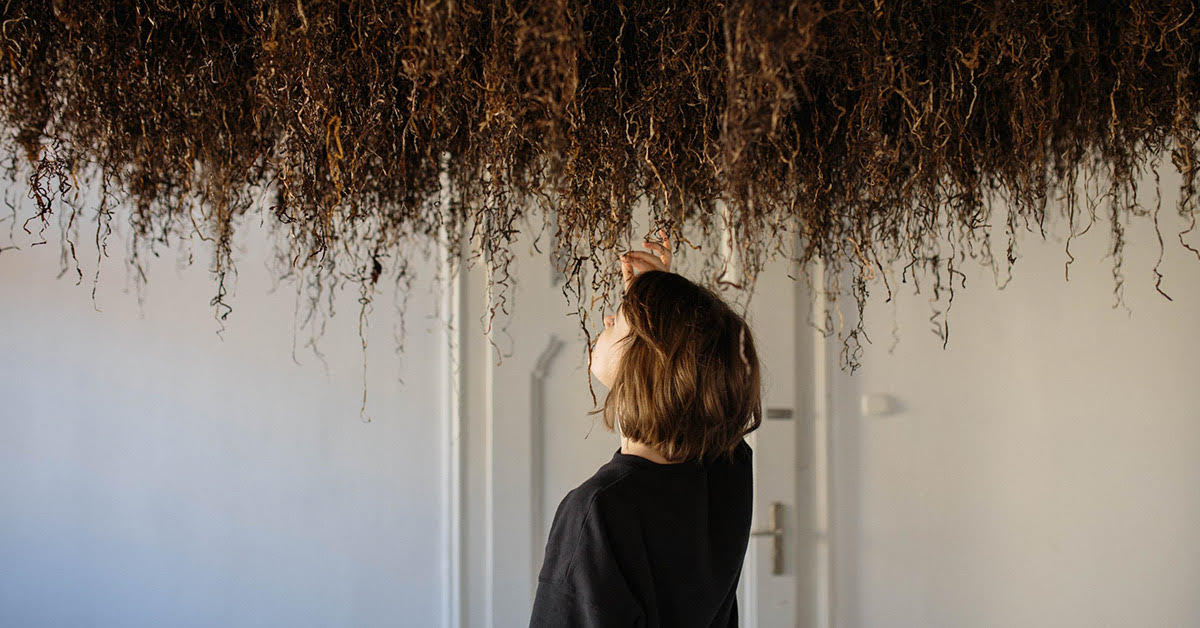
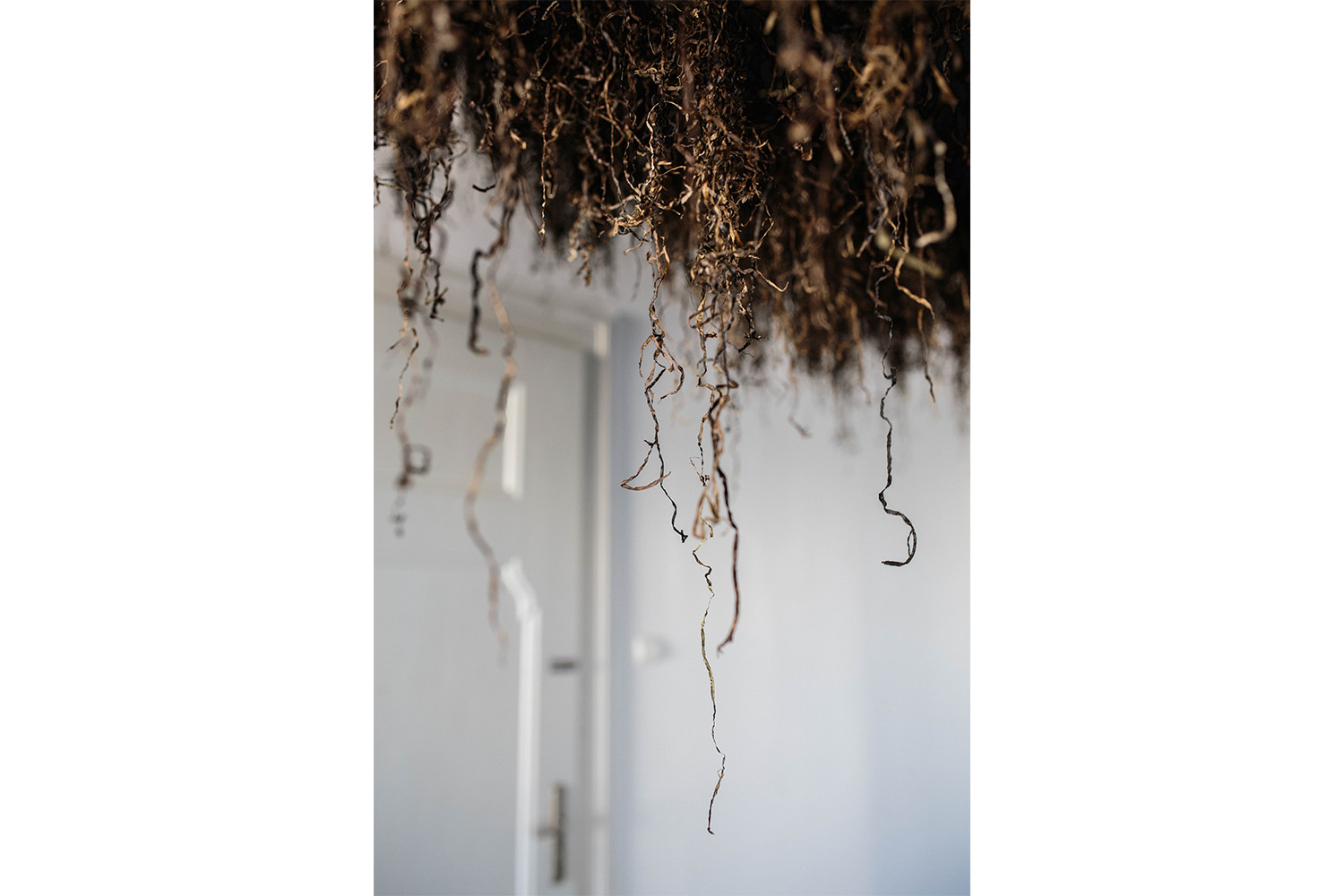
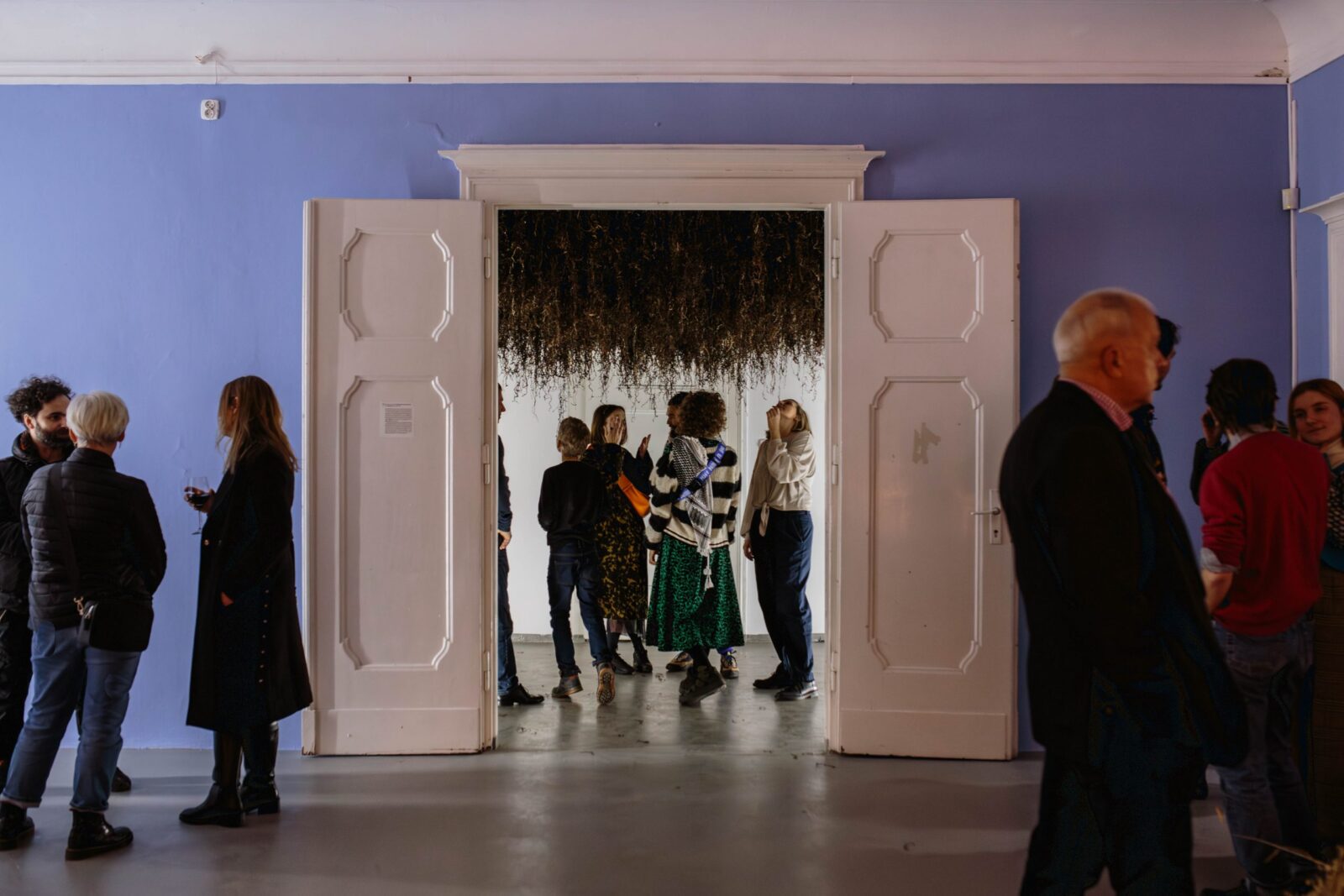
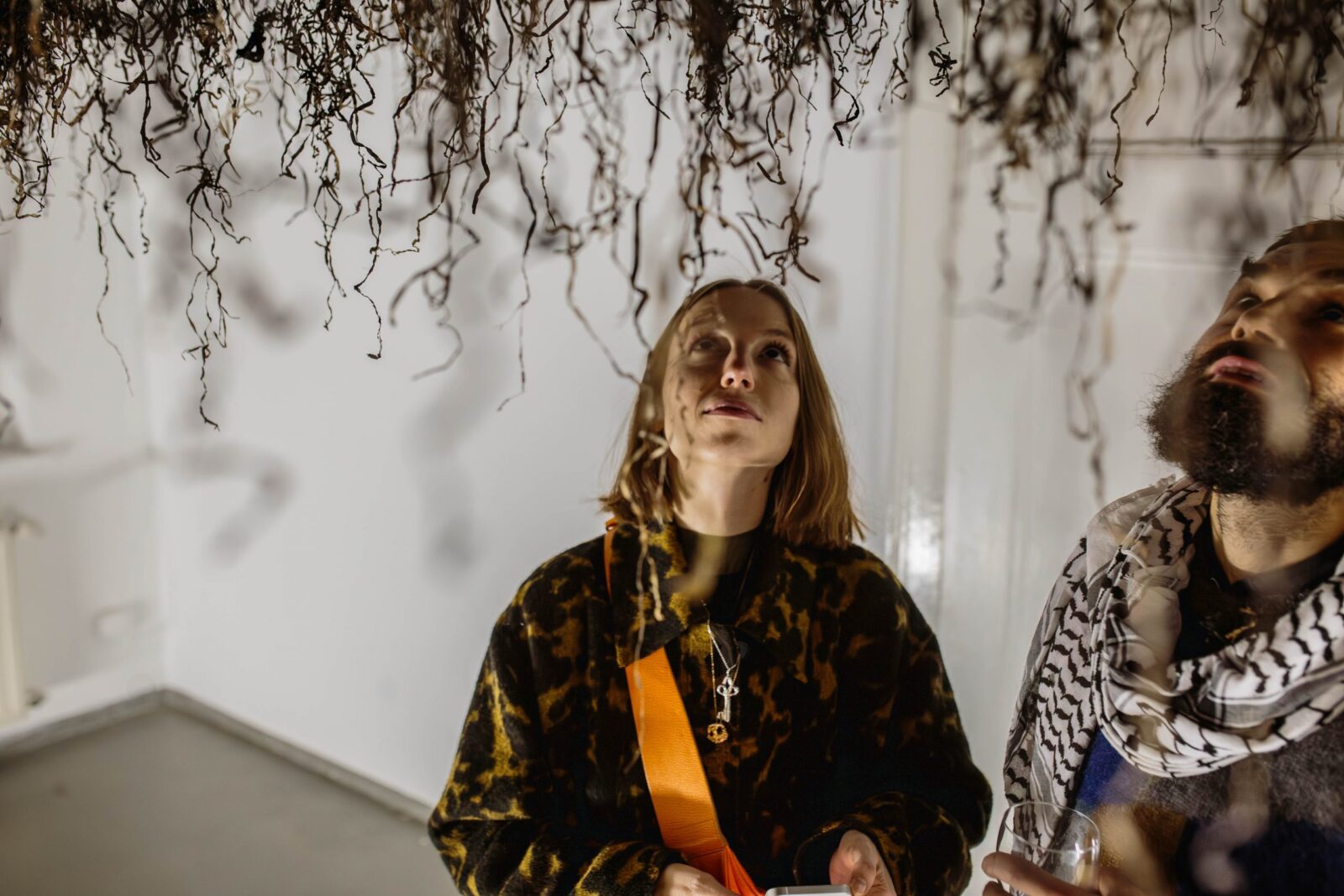
Walking through underwater meadows is an immersive olfactory installation that draws on the scent-related history of the Psychiatric Hospital in Rybnik. It began with a need to learn how smell might offer space for healing and quiet forms of connection within an environment shaped by isolation and institutional routines.
The work emerged from a moment of personal loss — from an absence that left behind silence and longing. In response, the artist turned mourning into action, entering the total institution of a psychiatric hospital to explore its olfactory dimensions together with patients and therapists.
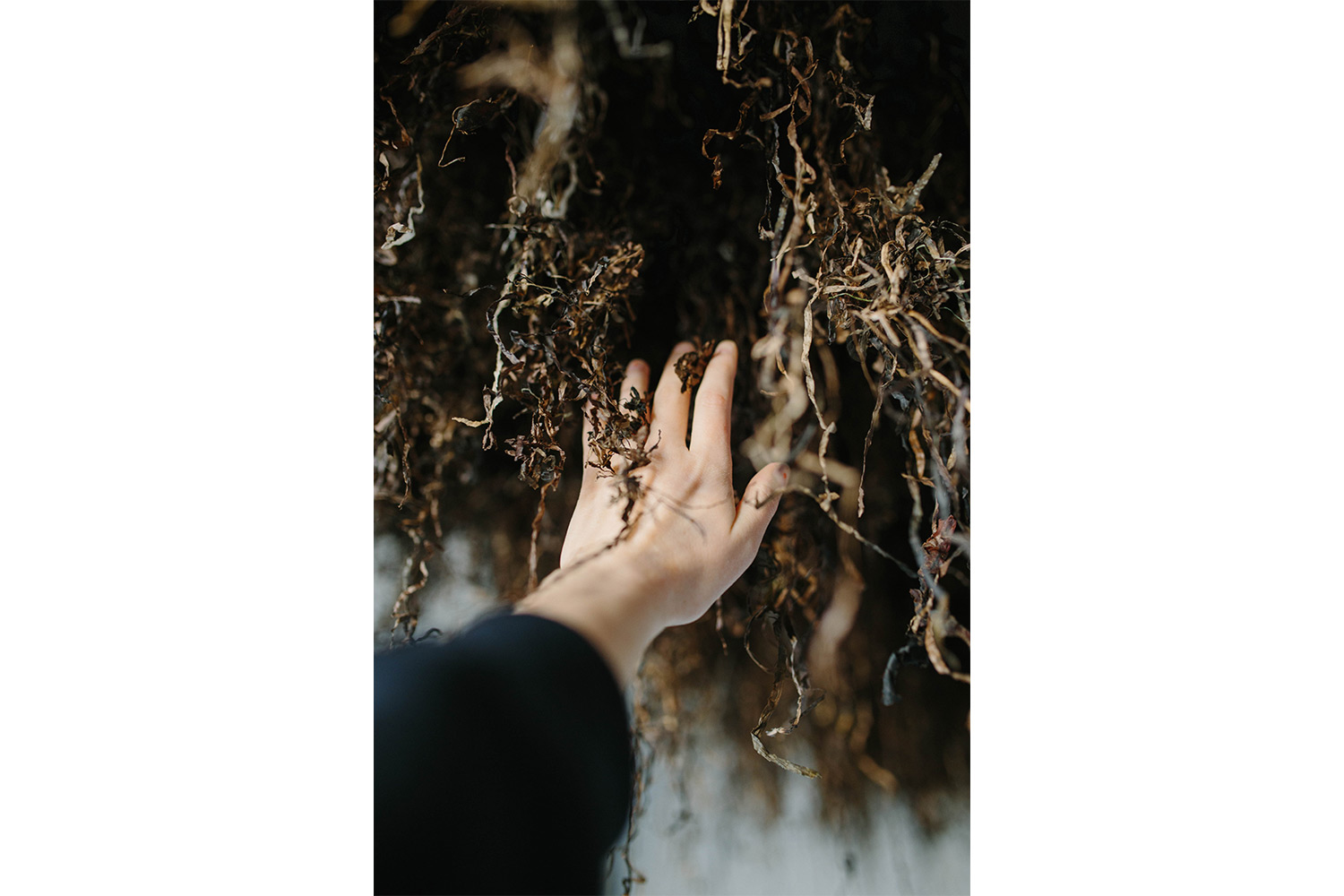
Although scents had not been used formally in therapy, they played a subtle therapeutic role. Until the late 1990s, mattresses filled with seagrass were produced on the hospital grounds. When warmed by body heat, the seagrass released essential oils known for their calming and soothing properties, helping patients fall asleep more easily.
This work is a quiet tribute. For Tomek, and for those who are here, and for those who are no longer with us. For a memory that endures. For walks that — though interrupted — continue, in another form.
Exhibition
Anti-handbook. How to build an invisible place?, CCA Kronika, Bytom (PL), 2023-2024
Collaboration
Curator: Marta Lisok
In collaboration with: State Hospital for Mental Diseases, Rybnik (PL)
Special thanks: Dominik Ritszel, Jola Jastrząb, Kuba Rudziński, Patients and Therapists of the Hospital in Rybnik
Photos: Zosia Paśnik
Installation
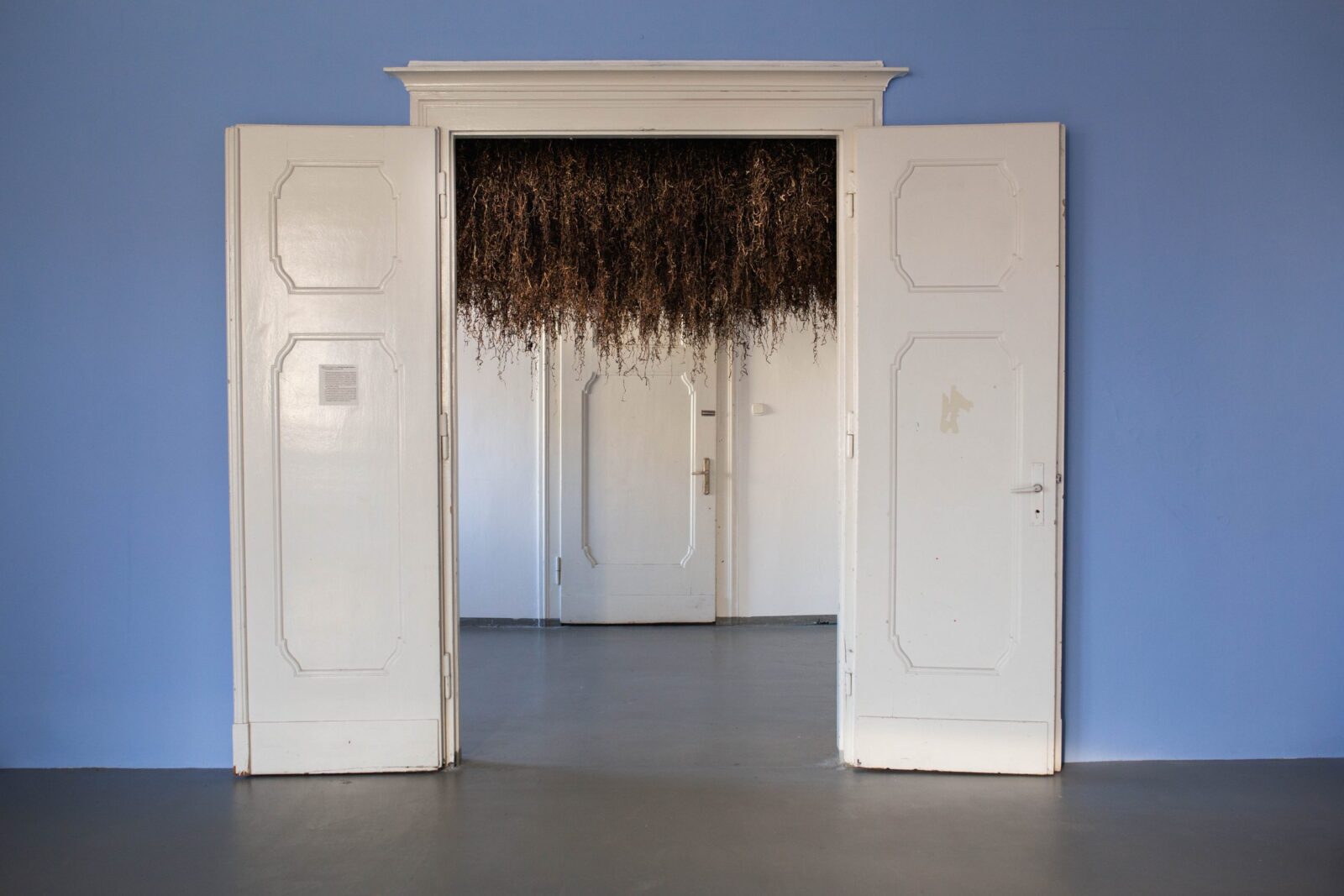
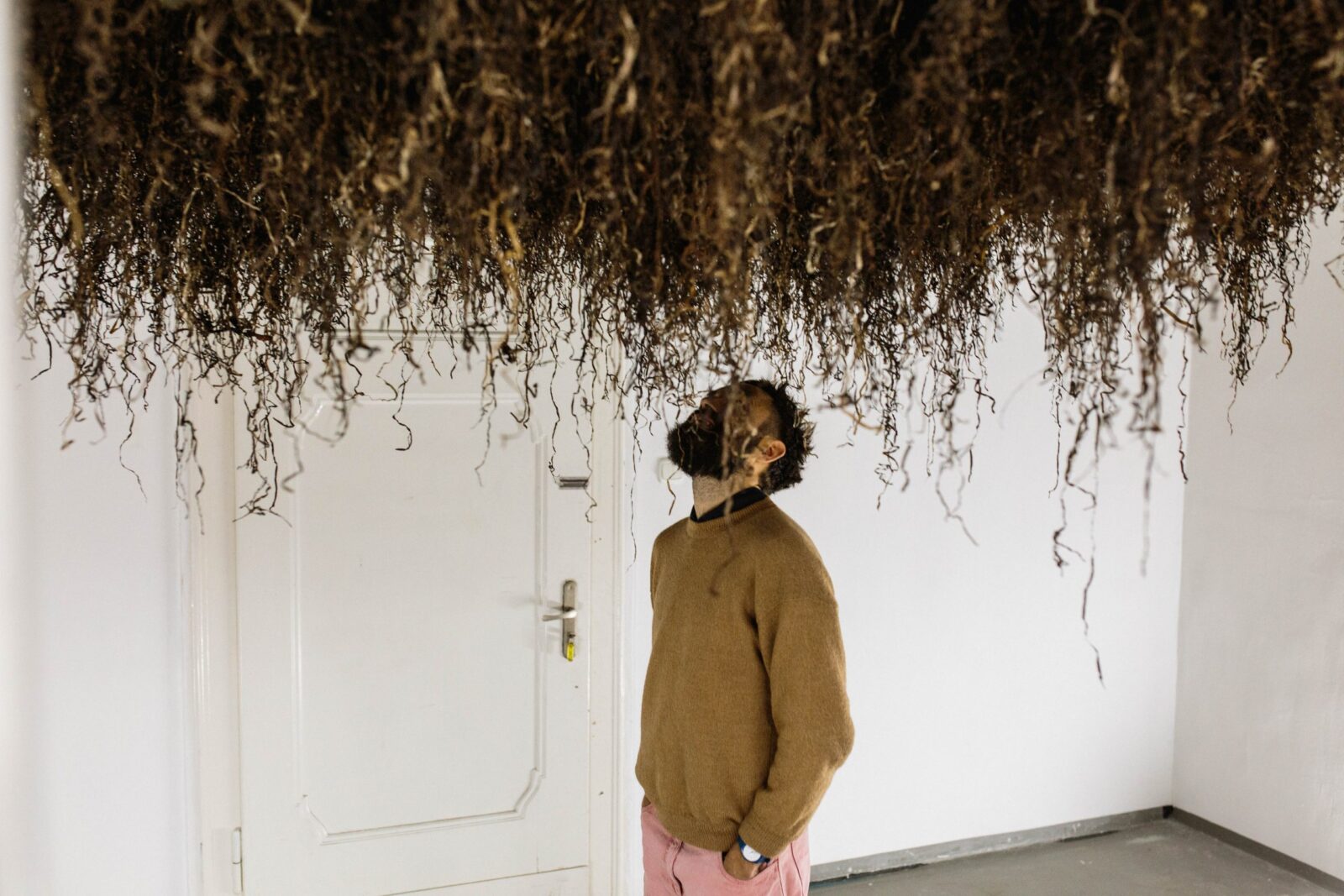
Olfactory installation with sea grass
400 x 300 x 40cm
The Anti-handbook. How to build an invisible place?
The project, Anti-handbook. How to Build an Invisible Place uses art as a tool to work with fears and traumas, bringing together invited artists, patients and staff of the Psychiatric Hospital in Rybnik. It presupposes a temporary suspension of the standard rules and procedures of the institution. Part of the process is to transcend the modus operandi of a total institution, in which therapists and patients are separated, drawing a line between what is considered normal and what is subject to medicalization and, at the same time, exclusion from the social space with its entrenched categories of utility and productivity.
One of the important elements of the collaboration undertaken in the project is the criteria of a-hierarchy encouraging the exchange of competencies and learning from each other. This theme is part of the title’s notion of an anti-handbook, signaling activities that elude description, directed at process, stimulating creativity and self-awareness, aimed at building a temporary community instead of creating objects within the traditionally understood visual arts activities included in standard therapeutic methods.
Antihandbook as a neologism expressing the impossibility of formulating a single method of working with the psyche in crisis emphasizes the importance of the activities of artists undertaken in-situ, without the ambition of a holistic, systemic approach, rooted in a specific situation and time.
The background for the activities carried out is the historic architecture of the institution. The buildings of the various wards and the surrounding park were treated as lenses focusing the sediments of the past, condensing silenced voices, forgotten stories. In the architecture of the hospital complex, as in any aging organism full of congestion, tension, rheumatic pains and traces of past injuries, one can find many deserted rooms, labyrinthine corridors, disused staircases, padlocked doors, empty cabinets, unused objects, illegible inscriptions scratched on the wall surrounding the hospital grounds.
The use of the hospital’s architecture as a tool for working with the memory of male and female patients reveals the ambivalence inherent in the title’s invisible place, understood on the one hand as an institution relegated to the margins of social visibility, and on the other hand as a safe inner space, the construction of which is inscribed in the process of returning to mental equilibrium.